The Real Cost of Owning a Car
The sticker price is the smallest line. The other lines decide whether a car makes sense.
By James Okonkwo · 7 min read
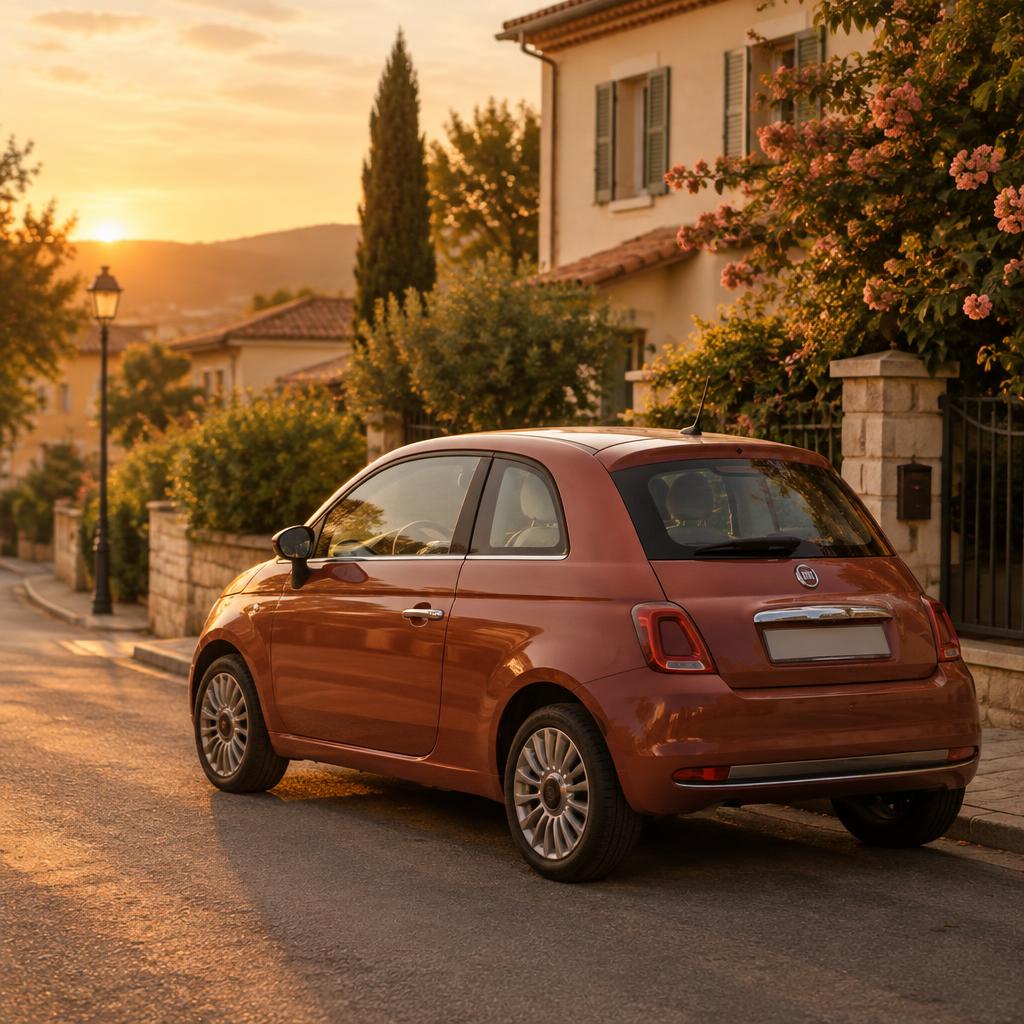
The purchase price is a fraction of it
Insurance, road tax, fuel, parking, servicing, tyres, and the occasional repair routinely add up to more than the loan payment — sometimes several times over. Budgets that only counted the financing are why car ownership quietly strains so many households.
Rule of thumb: assume the annual running costs will be somewhere between ten and twenty percent of the car's value, and you will rarely be surprised.
Depreciation is the quiet giant
The largest cost of a new car is the value it loses in the first three years, and it never appears on any bill. Buying a two- or three-year-old car lets the first owner absorb that loss.
Holding a well-maintained car for a decade beats cycling through new ones every three years. The car that costs least per year is usually the one you already own.
When a car still makes sense
Cars earn their cost through use and access — shift work, young children, rural routes, or a regular trip public transport cannot serve. Estimate the true all-in monthly cost, compare it to the alternative, and decide with that number on paper.
If the car would sit parked most days, short-term rentals and occasional taxis are almost always cheaper. The decision is arithmetic, not identity.