The Case for Cooking Without a Recipe
Learn a handful of patterns and improvisation becomes easy.
By Nikhil Bose · 6 min read
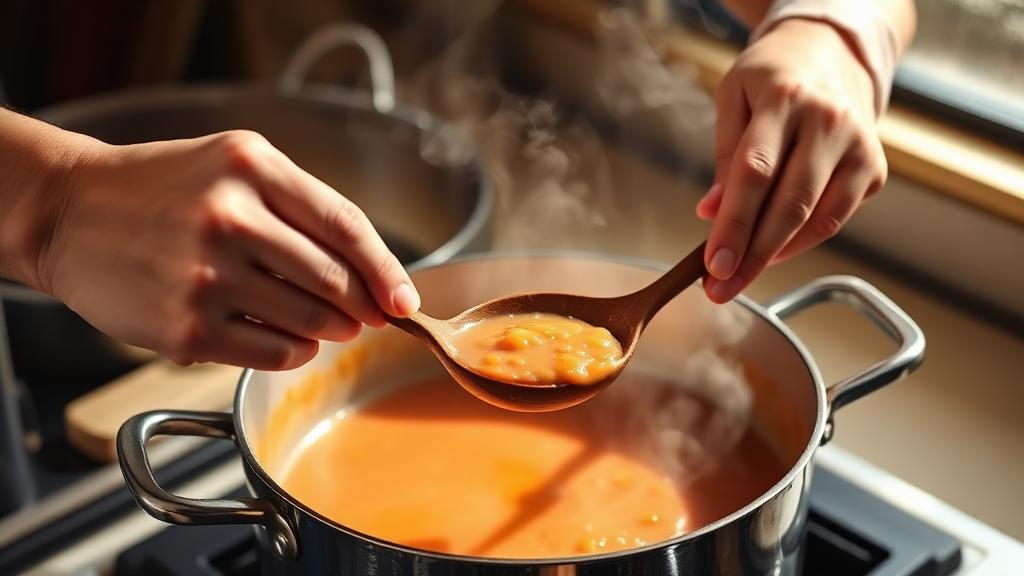
Recipes teach dishes, patterns teach cooking
Following instructions produces one meal. Understanding why a dish works produces hundreds, because most home cooking is a small number of repeated structures.
Soup is aromatics, a main ingredient, liquid, and a finish. Stir-fries, salads, and braises are similarly formulaic.
The four patterns worth knowing
Sauté aromatics then add liquid; roast at high heat with fat and salt; simmer low and slow with acid; dress raw things with fat, acid, and salt. Almost everything you eat at home is one of these.
Practise each once a week for a month and you will stop needing your phone in the kitchen.
Taste as you go
Season in layers and taste at every stage. Recipes cannot know your salt, your tomatoes, or your stove — you are the only sensor available.
When something tastes flat, it usually needs salt or acid before it needs another ingredient.