The Advantages of Design and Build
Why more homeowners of landed homes are choosing one team to handle both the vision and the build.
By Marcus Hale · 7 min read
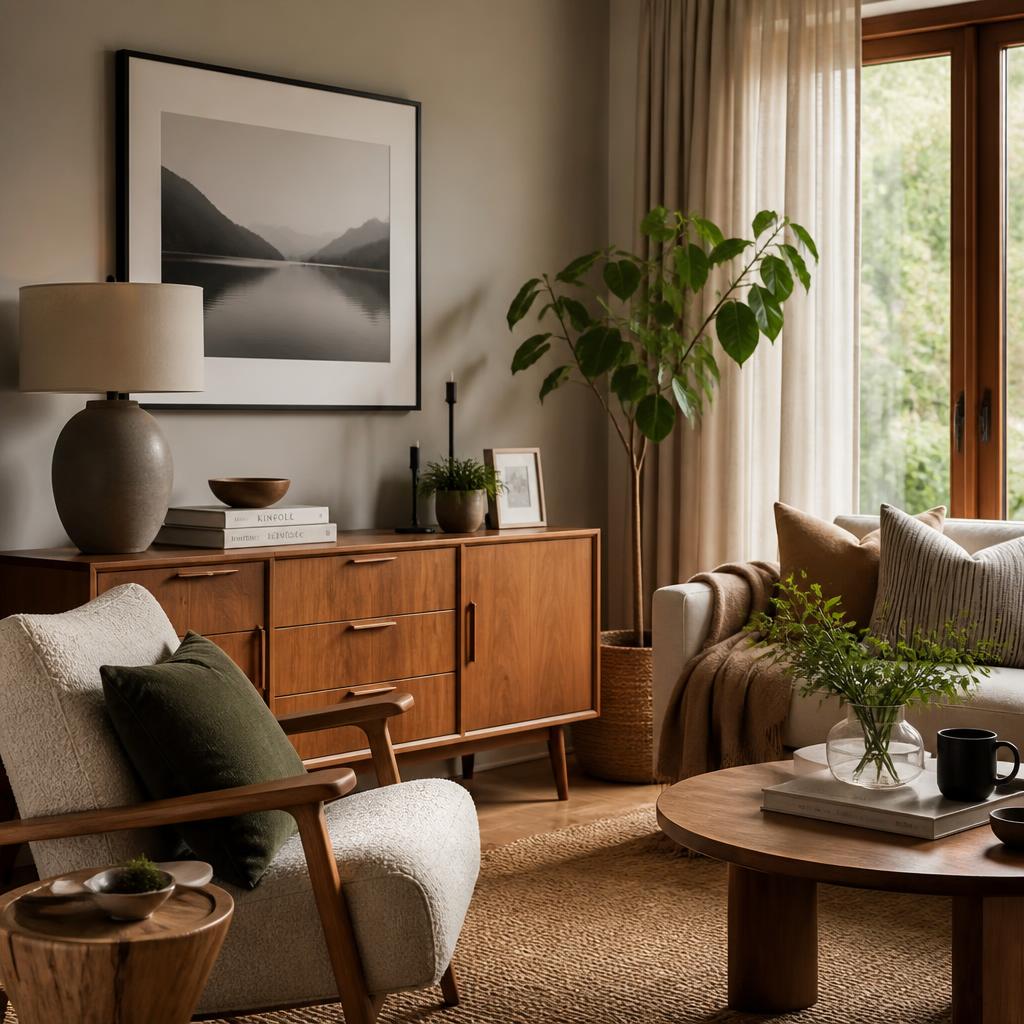
One conversation, not two
In a traditional renovation, you hire an architect or designer, then tender the drawings to builders, then spend months translating intent into reality. The design-and-build model folds those stages into one relationship. The same team that sketches the plan also prices it, schedules it, and stands on site to build it.
That continuity matters. When the designer and builder report to the same office, details do not get lost between drawings and execution. A real-world example is the work done by firms like Inspired Homes, a Singapore design-and-build studio that specialises in landed homes renovation from concept to handover.
Accountability is clear
If a cabinet gap is wrong, a traditional setup can turn into a dispute over whether the drawing or the installation was at fault. With design and build, there is one contract and one point of responsibility. The team fixes it without passing the blame.
This single accountability also protects your budget. The builder knows the drawings intimately because they helped shape them, so contingency estimates tend to be grounded in actual site experience rather than guesswork.
Faster timelines, fewer surprises
Design and construction can overlap. While finishes are being selected, procurement can begin. Site work starts earlier because the builder has already reviewed structural and MEP constraints during the design phase.
The result is usually a shorter overall programme and fewer last-minute changes. You still make decisions, but the team is already aligned on what is possible before options are presented to you.
When it is the right choice
Design-and-build suits homeowners who want a curated result without acting as project manager. It works best when you have a clear budget, a defined brief, and a willingness to trust one studio to interpret both.
If you are comparing approaches, look at completed projects and ask how the studio handles changes mid-build. A strong design-and-build partner will have a transparent process for variations and will show you past work that matches your scale and style.